Dental Implants in Culpeper, VA: A Complete Patient Guide
From Dr. Elias Sanie, DDS at Culpeper Dental Care, on James Madison Highway in Culpeper, Virginia.
If you've lost a tooth, or you're staring down an extraction soon, you've probably heard about dental implants. Maybe a family member raves about hers. Maybe your insurance just sent a denial letter and you're trying to figure out what's worth it. This guide is the conversation we have with patients in our office every week, written down: what implants actually are, what they cost in Culpeper, who's a good candidate, and what to expect from the process.
What a dental implant is, in one sentence
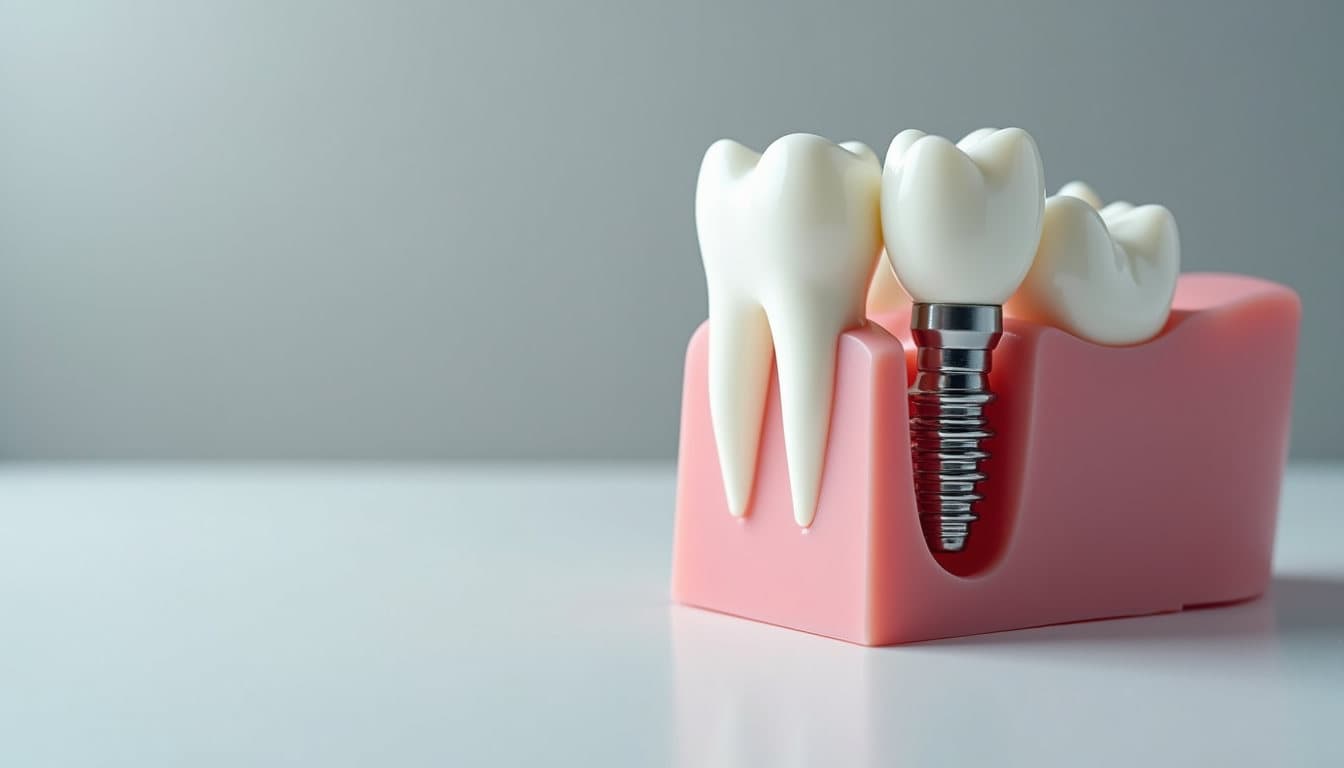
A dental implant is a small titanium post that replaces the root of a missing tooth. After the post fuses with your jawbone over a few months, a custom porcelain crown is bonded on top, and you have what looks, feels, and functions like your natural tooth.
How much do dental implants cost in Culpeper, VA?
At Culpeper Dental Care, a single-tooth implant typically ranges from $3,500 to $5,500, including the titanium post, abutment connector, and final porcelain crown. Larger cases, multiple teeth, an implant-supported bridge, or All-on-4 full-arch, are quoted individually based on the number of implants and any pre-work needed.
A few things that often surprise patients:
- Most dental insurance plans cover a portion of implants. Coverage varies, but many plans contribute toward the crown and a smaller portion toward the implant itself. We verify your specific benefits and provide a written estimate before any treatment begins.
- Virginia Dental Club members get a discount. Most other services are 20% off our standard fee, including fillings, crowns, root canals, dentures, implants and periodontal treatment.
- 0% interest financing is available. Through CareCredit and Sunbit, you can split the cost into manageable monthly payments without paying interest.
How long does the implant process take?
End-to-end, most single-tooth cases take 4 to 6 months from consultation to final crown. Here's why it takes that long, and why it's worth it:
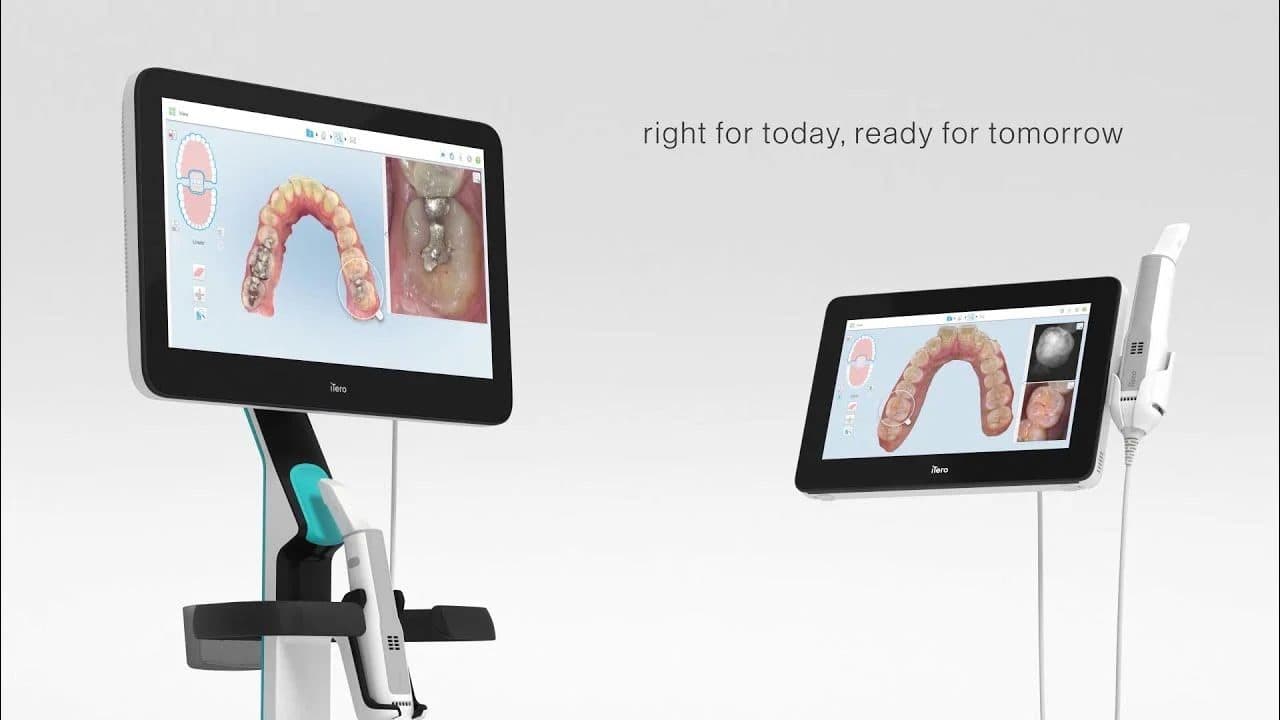
- Consultation and CBCT scan (one visit). We take a 3D cone-beam CT scan of your jaw to see exactly where the bone is, where nerves and sinuses are, and where the implant should go. This is the planning visit; nothing surgical happens yet.
- Implant placement (one visit, about an hour). The area is fully numbed with local anesthetic. Dr. Sanie places the titanium post into the jawbone following the digital plan. Most patients describe this visit as easier than a routine extraction.
- Healing and osseointegration (3 to 6 months). This is the part you can't rush. Your jawbone slowly grows around and fuses with the titanium post, creating a foundation as stable as a natural tooth root.
- Abutment and impression (short visit). A small connector called an abutment is attached to the implant, and we take a digital scan of your mouth to send to our lab.
- Final crown placement (one visit, about an hour). Your custom porcelain crown is bonded on. You walk out with a tooth that looks like the one you lost.
For visible front teeth, you leave the placement visit with a temporary tooth so you're never without a smile during healing.
Am I a candidate for a dental implant?
Most healthy adults with adequate jawbone are good candidates. A few things that may complicate placement:
- Uncontrolled diabetes can slow healing.
- Heavy smoking reduces success rates because nicotine impairs the bone-integration process.
- Significant bone loss at the implant site may require a bone graft first (adding 3 to 4 months to the timeline).
- Certain medications, particularly bisphosphonates for osteoporosis, can affect healing, we'll discuss alternatives if this applies.
A CBCT scan and consultation give you a clear answer for your specific situation. If you're not a candidate for an implant, we'll talk through alternatives like bridges or partials honestly.
Why an implant beats a bridge for one missing tooth
A traditional three-tooth bridge requires shaping down the two healthy teeth on either side of the gap to anchor the replacement. An implant doesn't, it stands on its own. The neighboring healthy teeth stay completely untouched.
An implant also stimulates the jawbone the same way a natural root does. Without that stimulation, the bone where a tooth used to be slowly shrinks, which over years can cause a sunken look in the face and make future dental work harder. Implants are the only replacement option that prevents this.
What it feels like
Most of our Culpeper implant patients tell us the same thing afterward: it was easier than they expected. Local anesthetic numbs the area completely during placement, you'll feel pressure and vibration, but not pain. Mild soreness for a day or two after is typical and easily managed with ibuprofen and ice. Most patients eat soft foods for a few days, then return to normal chewing on the opposite side for about 2 weeks before treating the area like any other tooth.
Why we do implants in-house at Culpeper Dental Care
Many dental practices refer implants out: a periodontist or oral surgeon places the implant, you heal, then come back to your regular dentist for the crown. That works, but it means two practices, two sets of records, two billing departments, and the small risk of communication gaps between offices.
Dr. Sanie handles every step in-house at Culpeper Dental Care: planning with CBCT 3D imaging, surgical placement, impressions, abutment, and the final crown. One office, one dentist, one consistent plan. For most patients, that continuity is the difference between treatment that feels seamless and treatment that feels like an obstacle course.
How long will my implant last?
With routine brushing, flossing, and six-month cleanings, the titanium implant post itself can last a lifetime. The porcelain crown on top typically lasts 15 to 20 years before it shows enough wear to consider replacement. We monitor every implant at your regular visits to catch any early issues with the surrounding gum and bone health.
Common questions our Culpeper patients ask
Will it look like my real tooth? Yes, the porcelain crown is shade-matched to your surrounding teeth. Most patients can't tell which tooth is the implant in a photo.
Can I get an implant if I lost my tooth years ago? Often yes, but you may need a bone graft first if the jawbone has shrunk in the empty socket. A CBCT scan tells us.
What if my insurance won't cover much? We offer Virginia Dental Club discounts, CareCredit and Sunbit 0% financing, and a written treatment plan so you can see every dollar before committing.
How do I clean an implant? Like a natural tooth, regular brushing and flossing. We also recommend a water flosser around the implant area to keep the gum tissue healthy.
If you're in Culpeper, Madison, Orange, or Warrenton
If you're considering a dental implant and want a straightforward conversation about whether it's right for you, we'd love to meet you. Dr. Sanie and the team at Culpeper Dental Care welcome new patients from across the Piedmont, including Culpeper, Madison, Orange, Warrenton, Brandy Station, and the rural communities between. Call 540-418-0825 or book your first visit online at culpeperdentist.com/book-online. ¿Habla español? Sí, estamos aquí para ayudarle.