The Comprehensive Guide to Full Mouth Reconstruction for Restoring Confidence and Oral Health
From Dr. Elias Sanie, DDS at Culpeper Dental Care, on James Madison Highway in Culpeper, Virginia. This is a topic that comes up often in conversations with patients across Culpeper County and the surrounding Piedmont communities, so we wrote it down.
Losing multiple teeth or dealing with extensive dental damage can affect more than just your smile. It impacts your ability to eat, speak clearly, and feel confident in social situations. Full mouth reconstruction offers a path to restore both your oral health and self-esteem by rebuilding your teeth and gums with tailored dental treatments. This guide explains how crowns, bridges, and implant-supported bridges work together to bring back function and beauty to your mouth.
Understanding Full Mouth Reconstruction
Full mouth reconstruction involves a combination of dental procedures designed to restore all or most of the teeth in both the upper and lower jaws. This treatment is ideal for patients with multiple missing, damaged, or decayed teeth. The goal is to improve chewing ability, speech, and overall oral health while enhancing the appearance of the smile.
Each reconstruction plan is unique, depending on the patient’s dental condition, health status, and personal goals. Dentists often use crowns, bridges, and implant-supported bridges as building blocks to rebuild the mouth.
Crowns: Protecting and Strengthening Damaged Teeth
Crowns are tooth-shaped caps placed over damaged or weakened teeth. They restore the tooth’s shape, size, strength, and appearance. Crowns are commonly used when a tooth has a large cavity, has undergone root canal treatment, or is cracked.
How Crowns Help in Full Mouth Reconstruction
Protect weakened teeth from further damage or decay.
Restore chewing function by providing a durable surface.
Improve appearance with natural-looking materials like porcelain or ceramic.
Support adjacent dental work such as bridges or implants.
Crowns are custom-made to fit precisely over your existing teeth. They blend with your natural teeth, making them an excellent option for restoring damaged teeth without extraction.
Bridges: Replacing Missing Teeth with Support from Adjacent Teeth
Bridges fill gaps left by one or more missing teeth by anchoring artificial teeth to the neighboring natural teeth. These neighboring teeth are prepared to hold crowns, which support the bridge.
Types of Bridges Used in Reconstruction
Traditional bridges use crowns on adjacent teeth to support one or more false teeth.
Cantilever bridges attach to only one adjacent tooth, used when there is no tooth on one side of the gap.
Maryland bridges use a metal or porcelain framework bonded to the back of adjacent teeth, requiring less tooth preparation.
Benefits of Bridges
Restore the ability to chew and speak properly.
Prevent remaining teeth from shifting out of place.
Improve smile aesthetics by filling visible gaps.
Provide a fixed, non-removable solution compared to dentures.
Bridges are a reliable option when the adjacent teeth are healthy enough to support the restoration.
Implant-Supported Bridges: A Strong and Long-Lasting Solution
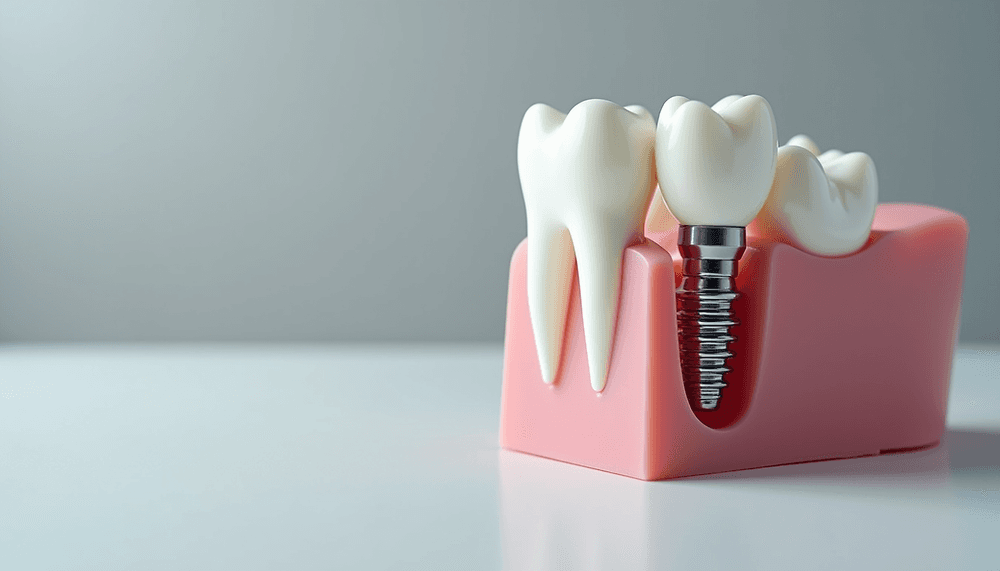
For patients missing multiple teeth, implant-supported bridges offer a modern alternative to traditional bridges. Instead of relying on natural teeth for support, dental implants are surgically placed into the jawbone to act as artificial tooth roots.
How Implant-Supported Bridges Work
Implants fuse with the jawbone, providing a stable foundation.
The bridge is attached to the implants, replacing several teeth in a row.
This method avoids placing stress on natural teeth.
Advantages of Implant-Supported Bridges
Preserve jawbone health by stimulating bone growth.
Provide superior stability and chewing power.
Last longer than traditional bridges with proper care.
Do not require altering adjacent healthy teeth.
Implant-supported bridges require sufficient bone density and good overall health for successful placement. The process involves surgery and healing time but offers a durable and natural-feeling result.
The Full Mouth Reconstruction Process
Initial Consultation and Assessment
Your dentist will evaluate your oral health, take X-rays, and discuss your goals. This step helps create a personalized treatment plan.
Preparation and Treatment Planning
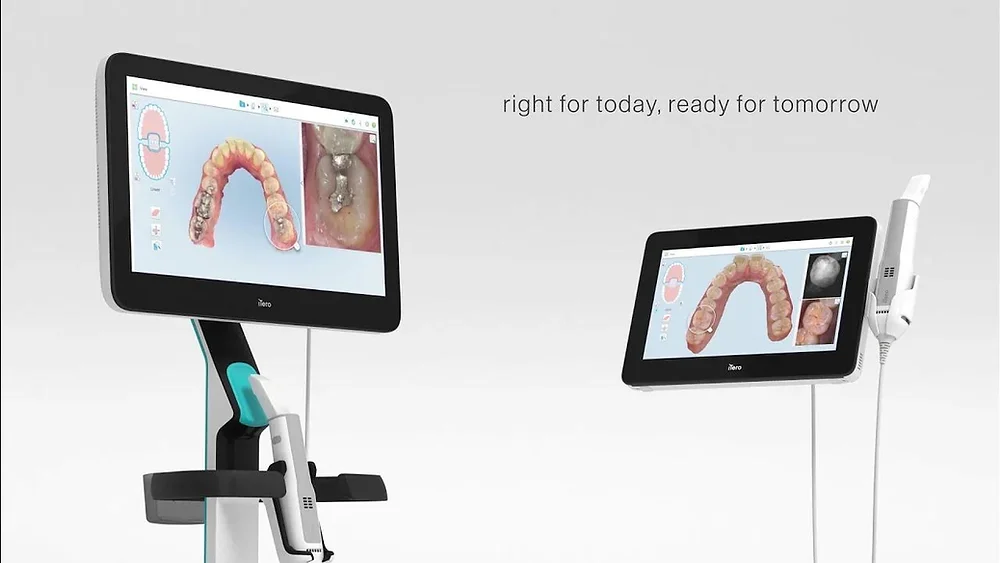
Damaged teeth may be treated with root canals or extractions. Impressions and scans are taken to design crowns, bridges, or implants.
Placement of Crowns and Bridges
Crowns are fitted over prepared teeth, and bridges are anchored to restore missing teeth. Temporary restorations may be used during this phase.
Implant Surgery (if applicable)
Implants are placed into the jawbone under local anesthesia. Healing can take several months as the bone integrates with the implants.
Final Restoration
Once healing is complete, permanent crowns or implant-supported bridges are attached. Adjustments ensure comfort and proper bite alignment.
Follow-Up and Maintenance
Regular dental visits and good oral hygiene are essential to maintain the health and longevity of your reconstruction.
Practical Tips for Patients Considering Full Mouth Reconstruction
Ask about all treatment options including pros, cons, and costs.
Understand the timeline as some procedures may take months to complete.
Maintain excellent oral hygiene to protect your investment.
Discuss any medical conditions that might affect healing or treatment.
Plan for follow-up care to monitor and maintain your restorations.
Restoring Confidence and Quality of Life
Full mouth reconstruction does more than fix teeth. It restores your ability to enjoy food, speak clearly, and smile without hesitation. Patients often report improved self-esteem and social confidence after completing treatment.
Choosing the right combination of crowns, bridges, and implant-supported bridges depends on your unique needs. Working closely with your dental team ensures a result that looks natural, feels comfortable, and supports your long-term oral health.
If you are struggling with multiple missing or damaged teeth, full mouth reconstruction offers a path to reclaim your smile and well-being. Schedule a consultation with your dentist to explore how these treatments can transform your life.
If you’re in Culpeper, Madison, Orange, or Warrenton
If anything in this post raised a question about your own mouth, we’d love to hear it. Dr. Sanie and the team at Culpeper Dental Care welcome new patients from across the Piedmont, including Culpeper, Madison, Orange, Warrenton, Brandy Station, and the rural communities between. Call 540-418-0825 or book your first visit online at culpeperdentist.com/book-online. ¿Habla español? Sí, estamos aquí para ayudarle.